Performance Tires for Street Cars
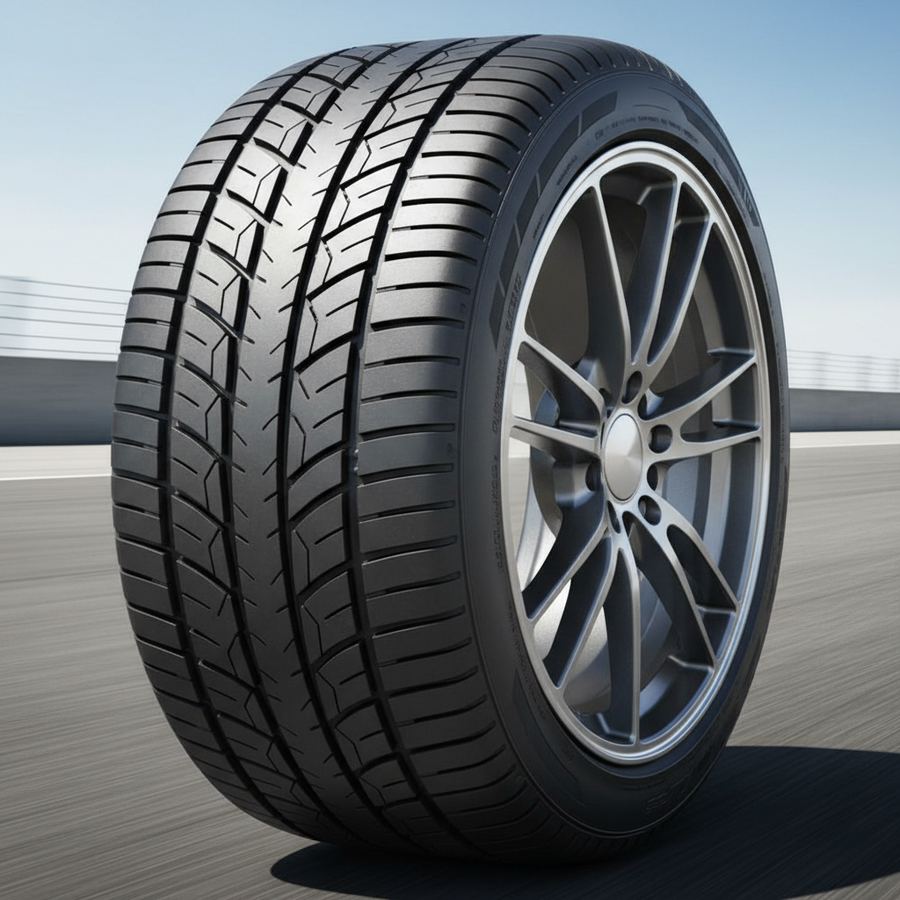
You can have 500 horsepower and the best tune on the planet, but if your tires cannot put it down, none of it matters. Tires are the only thing connecting your car to the road. Every bit of acceleration, braking, and cornering force goes through four contact patches roughly the size of your hand. Upgrading tires is often the single biggest improvement you can make to a street car's performance, and it is one of the most overlooked.
Summer Tires vs. UHP All-Seasons
This is the first decision most people face. Summer tires use softer rubber compounds that grip harder in warm conditions. Ultra-high-performance all-seasons use a harder compound that works across a wider temperature range but gives up peak grip to do it.
If you live somewhere with real winters and do not have a second set of wheels, UHP all-seasons are the practical choice. Tires like the Continental ExtremeContact DWS06 Plus or the Michelin Pilot Sport All Season 4 are genuinely impressive for what they are. But they are not summer tires. On a warm day at the limit, a Pilot Sport 4S will outgrip a PS AS4 by a meaningful margin.
If you can swing two sets of wheels, dedicated summers and a set of proper winter tires is the move. You get better grip in both seasons and each set lasts longer because you are splitting the mileage.
Understanding Treadwear Ratings
The UTQG treadwear number gives you a rough idea of tire longevity. A tire rated 200 will wear roughly twice as fast as one rated 400 under the same conditions. Stickier summer tires often land in the 200-340 range. UHP all-seasons typically sit at 500-560. Lower treadwear usually means more grip, but the rating is self-reported by the manufacturer and not perfectly comparable across brands.
Tire Width and Fitment
Wider tires put more rubber on the ground, which generally means more grip. But there are limits. Going too wide for your wheel width pinches the tire and reduces the contact patch shape. Going too wide for your fenders means rubbing on bumps or during hard turns, especially on a lowered car.
Most enthusiast platforms have well-documented fitment guides. Stick to proven widths for your wheel size. A 255 on a 9-inch wheel works great. A 275 on that same 9-inch wheel is pushing it. Check your platform's forums or fitment galleries before ordering.
Tire Pressure for Performance
Factory door sticker pressures are set for comfort and fuel economy, not grip. On most performance setups, you want to run slightly lower pressures than stock to increase the contact patch under load. Start with the factory number and drop 2-3 PSI, then check your wear patterns after a few hundred miles.
Even wear across the tread means you are close. Heavy wear on the center means too much pressure. Heavy wear on the edges means too little. This gets more important when you factor in alignment settings that add camber.
Why Alignment Eats Tires on Modified Cars
This is where a lot of people burn money without realizing it. You lower your car, add camber for looks or handling, and six months later the inside edges of your rear tires are bald while the outside still has full tread. That is negative camber doing its job in corners but destroying your tires in straight-line driving.
The fix is to find a camber setting that works for your actual driving. If you are 90% highway and 10% spirited driving, aggressive camber is costing you hundreds of dollars a year in tire wear for a benefit you rarely use. A good alignment after lowering balances handling and tire life.
Tire Reviews and Research
Before buying, read real user reviews. Tire Rack's survey data is one of the most useful resources because it aggregates thousands of owner reports across different vehicles and conditions. Pay attention to wet grip ratings and noise complaints, not just dry grip numbers.
Temperature also matters. Some summer tires fall off a cliff below 40 degrees Fahrenheit. If you are driving on a cold morning before the tires warm up, that sticky 200-treadwear tire is less grippy than your phone screen protector. Know your tire's operating range and plan accordingly. Good braking performance depends on it too.
Articles in This Section
- Summer Tires vs. UHP All-SeasonsA detailed comparison for daily-driven performance cars.
- Choosing Tires for Grip and Daily UseHow to balance performance and livability in your tire choice.
- Why Alignment Kills TiresCamber, toe, and the wear patterns that cost you money.