Choosing Tires for Grip and Daily Use
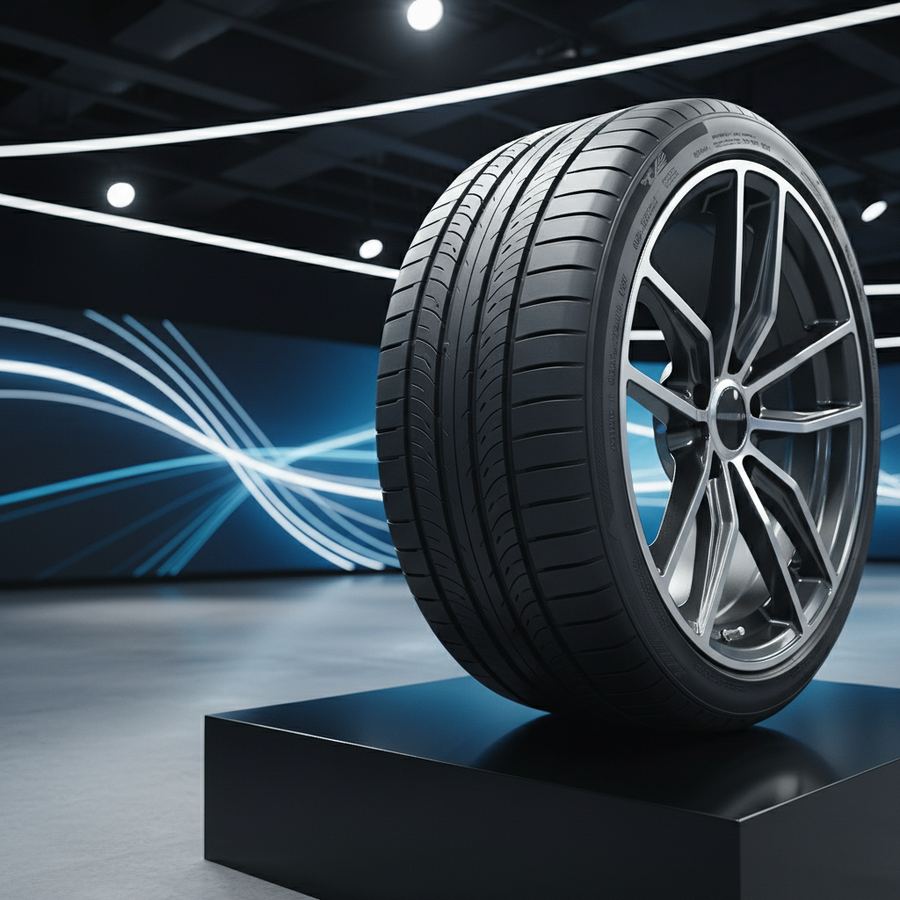
Picking tires for a modified street car is a balancing act. You want grip, but you also need to live with the tire every day. That means noise, ride comfort, tread life, and wet weather performance all factor in. Go too aggressive and you end up with a loud, harsh ride that eats through rubber every 15,000 km. Go too conservative and you waste the potential of every other modification on the car.
Here is how to find the right tire without overthinking it or spending money in the wrong places.
Start With Width: Wider Is Not Always Better
The first thing most people reach for when upgrading tires is more width. If the car came with 225s, the temptation is to go to 255 or wider. More contact patch, more grip. Simple math, right?
Not exactly. Going wider has real tradeoffs that show up on the street. Wider tires are more prone to hydroplaning because there is more rubber trying to push water aside. They increase steering effort, especially on cars without electric power steering. They generate more road noise because a larger contact patch interacts with more road texture at once. And they add rolling resistance, which costs you fuel economy on a car you drive to work every day.
Width matters, but the sweet spot for most modified street cars is 10 to 20 mm wider than stock on each corner. A car that came with 225/45R17 does well on 235/40R18 or 245/40R18. Going from 225 to 275 on a car that weighs 1,500 kg is solving a problem that does not exist on the street. That extra width only pays off if you are generating enough lateral load to use it, and on public roads you never are.
The exception is high-horsepower rear-wheel-drive cars that need the width to put power down. If your car makes 400 horsepower to the rear wheels, yes, wider rear tires help. But for a 250 to 300 horsepower daily driver, focus on compound quality over raw width.
Treadwear Rating: The Number That Matters Most
The UTQG treadwear rating printed on every tire's sidewall is the single most useful number for choosing a street performance tire. It tells you how fast the tire wears relative to a baseline, and it correlates strongly with grip level. Lower numbers mean softer compounds that grip harder but wear faster. Higher numbers mean harder compounds that last longer but offer less peak traction.
Here is where the ratings roughly fall for street performance tires:
140 to 200tw: Extreme grip. R-compound and semi-slick territory. These tires are designed for track days and autocross. They are loud, they wear fast, they are terrible in rain, and they ride like the sidewall is made of granite. On the street, they are overkill. The grip ceiling is so far above what you will use in daily driving that you are just paying for accelerated wear and a worse ride for no benefit. Unless your car sees regular track time, skip this range entirely.
200 to 300tw: Serious performance. This is where tires like the Michelin Pilot Sport 4S and Continental ExtremeContact Sport 02 live. They offer excellent dry and wet grip, good steering feedback, and reasonable noise levels. Tread life is moderate, typically 25,000 to 40,000 km depending on driving style and alignment. For a performance-oriented daily driver, this is the sweet spot. You get enough grip to use your car's capabilities without the harshness and expense of a semi-slick.
300 to 500tw: The daily driver range. UHP all-seasons and touring performance tires land here. Grip is good but not exceptional. Tread life is long. Noise is low. These work well on modified cars that prioritize comfort alongside performance. If your car has lowering springs or budget coilovers, a tire in this range can soften the ride rather than amplify the harshness.
500tw and above: Touring and economy tires. Not enough grip for a car with serious performance modifications. If your car has upgraded suspension, more power, and better brakes, a 600tw tire becomes the weakest link in the chain. Everything else on the car is asking for more than this tire can give.
Why 200tw Tires Are Overkill for Most Street Cars
This is the single most common tire mistake in the modified car community. Someone builds a 280 horsepower daily driver, bolts on coilovers, and immediately buys the grippiest tire they can find. A 200tw summer tire on a street car that never sees a track is like putting slicks on a car that only drives in the rain. You are paying for capability you cannot use.
On public roads, the adhesion limit of a 200tw tire is so far beyond what you will reach that the extra grip is irrelevant. What you will notice is the 20,000 km tread life, the louder cabin on the highway, and the replacement cost. A set of 200tw tires in 245/40R18 costs $800 to $1,200 and lasts a year of daily driving. A set of 300tw tires in the same size costs $600 to $900 and lasts 18 months to two years.
For most daily-driven modified cars making under 350 horsepower, a tire in the 280 to 340tw range provides all the grip you can realistically use on the street while lasting meaningfully longer and costing less per kilometre.
Wet Grip: Do Not Ignore This
Modified car owners tend to focus on dry grip and ignore wet performance. This is a mistake. You will drive in rain. Probably a lot. A tire that is heroic in the dry but mediocre in the wet is a liability on a car with real power.
The UTQG traction rating gives you a quick reference. AA is the best, A is good, B is marginal. Any tire on a performance car should be rated A or better. Below that, wet braking distances increase enough to matter in an emergency.
Beyond the rating, tread pattern design matters for wet performance. Tires with directional tread patterns, the V-shaped grooves you see on many performance tires, channel water more effectively than symmetric patterns. If you drive regularly in rain, a directional tread pattern is worth seeking out. It will not help you in the dry, but it buys you meaningful safety when the road is wet.
Noise: The Hidden Dealbreaker
Nobody talks about tire noise when they buy performance tires, and everybody complains about it three months later. A modified street car already has a louder exhaust, stiffer suspension, and less sound deadening than the engineers intended. Add a loud tire and the highway commute becomes fatiguing.
Aggressive tread patterns with large, blocky tread elements are louder. Symmetric and asymmetric patterns tend to be quieter than directional ones. Wider tires are louder than narrower tires in the same compound. All of these factors stack.
If noise matters to you, check user reviews specifically for highway noise commentary before buying. Manufacturer specs rarely mention it honestly. Real-world reviews from people who commute on the tire daily are the best source.
Matching the Tire to Your Suspension
Your tire choice should account for your suspension setup. A car on stiff coilovers with aggressive spring rates does not need a stiff-sidewall track tire on top of that. The ride will be punishing and the car will tramline on any road imperfection. Pairing stiff suspension with a tire that has some sidewall compliance can actually improve both comfort and grip because the tire can absorb the small bumps that the suspension cannot.
Conversely, a car on stock suspension with soft springs benefits from a stiffer performance tire. The tire's sidewall provides the lateral rigidity that the suspension lacks. This is one reason why a good set of tires is often a better first modification than springs or coilovers. The tire change transforms the car's handling more than most bolt-on suspension parts.
If you have already upgraded your suspension components, match the tire's character to what the suspension needs, not what the forums say is the grippiest option.
Alignment: The Multiplier
No tire discussion is complete without mentioning alignment. The best tire in the world will wear unevenly and underperform if the alignment is wrong. This is especially true on lowered cars where the stock alignment specs no longer apply.
After choosing a tire, get the alignment set specifically for your setup. A good alignment tech can bias the settings toward tire life or toward grip depending on your priorities. On a daily driver, a mild toe-in setting on the rear protects the inner edges of the tire from premature wear. On a more aggressive street car, a touch of negative camber helps cornering grip but costs you some tread life on the inside edge. The alignment is how you dial in the balance between performance and longevity.
The Practical Recommendation
For most daily-driven modified street cars in the 200 to 350 horsepower range, here is the formula that works:
Go 10 to 20 mm wider than stock. Pick a tire in the 280 to 340 treadwear range from a reputable brand. Make sure the traction rating is A or AA. Get an alignment within a week of mounting the new tires. Rotate them every 8,000 to 10,000 km.
This combination gives you noticeably better grip than stock, reasonable tread life, acceptable noise, and safe wet weather performance. It is not the grippiest possible setup. It is the best setup for a car you actually drive every day.
Browse performance tires by size and treadwear rating to find what fits your wheels and your priorities. Sorting by treadwear in your exact size makes the comparison easy and takes the guesswork out of it.